IT WANTS IN Cabin Defense Guide
Curtains, boards, fire, and breaker loops that keep Hollow Pine standing.
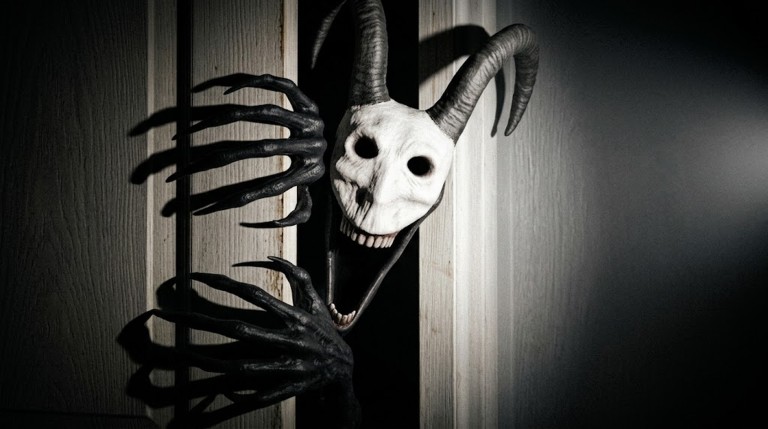
Cabin defense is the skill that decides whether IT WANTS IN feels fair or impossible. The Hollow Pine cabin only works if curtains stay closed, windows get boarded when the night demands it, the fireplace keeps burning, and the Basement breaker comes back online after every outage. This page deep-dives those four systems and the Living Room ↔ Kitchen ↔ Basement circuit that ties them together. Pair it with getting started for onboarding, the all nights walkthrough for night-specific spikes, and how to hide when defense fails and you must go quiet.
The defense circuit
Memorize one path: Living Room fireplace → Kitchen door → Basement breaker → back up. The Living Room is your heat and curtain hub. The Kitchen is the choke toward downstairs. The Basement holds the breaker plus restock for planks, bulbs, and firewood. Batteries appear around the house—pocket them on the same loop instead of making pure battery trips. When something fails, restore power first if the cabin is dark, then fire, then cover. A lit, warm, covered cabin is harder to panic in than a dark shell full of open glass.
Play the experience from the official IT WANTS IN game listing, then drill this circuit until you can walk it crouched without thinking. Bind comfort matters; see controls if Interact, Flashlight, or Crouch still feel awkward.
Curtains — deny sightlines
Curtains are Night 1’s primary lesson and every later night’s baseline. An open curtain is a free look into your routes, stock piles, and teammate silhouettes. Close curtains as a first action when a night starts, then recheck after any chaotic scramble.
Habits that work: Assign curtain ownership by room so nobody assumes “someone else did it.” Recheck Living Room glass whenever the breaker runner returns upstairs. Crouch past windows if you must cross while something is outside. Do not open curtains for “better visibility”—your flashlight and callouts are safer tools.
Habits that fail: Leaving one curtain open as a landmark. Sprinting past uncovered windows during hunts. Ignoring curtains because boards feel more important on Night 2. Boards and curtains solve different problems; you usually need both when the night escalates.
Boards — reinforce what knocks
Boarding becomes critical on It Knocks (Night 2) and remains relevant whenever window integrity matters. Planks come from the basement. Bring them up before you are empty, not after a knock cycle has already exposed a room.
Habits that work: Keep a small plank reserve in a known Living Room or Kitchen drop spot so the board tech is not always downstairs. Board the windows the night emphasizes first, then secondary glass if time allows. Combine boarding with curtain checks so you never board an open-curtain room and call it done. On later nights, repair cover between hunt waves instead of mid-sprint.
Habits that fail: Dumping every plank on the first noisy window. Sending three players to the basement for wood while the fireplace dies. Treating boards as a Night 2-only mechanic and forgetting restocks before Night 5 pressure.
Phone discipline overlaps boarding nights: when Carol is involved, do not unlock. Defense is worthless if you open the cabin because a call sounded friendly. Confirm prompts with the all nights walkthrough before you Interact on the phone under stress.
Fire — the hearth must stay alive
The fireplace is not flavor. Keeping the fire burning is a listed survival pillar from Night 1 onward, and on Night 5 the hearth is explicitly your anchor when the threat comes inside. Firewood comes from the basement with the other restock goods.
Habits that work: Glance at the fire every time you cross the Living Room. Feed it on calm beats, not only when it is almost dead. On Night 5, treat the hearth as the rally point after a breach—hide, resecure, return. One player should own fire uptime the way another owns breaker resets.
Habits that fail: Everyone looting downstairs while the hearth dies. Using the Living Room as a noisy meetup beside an empty fireplace. Abandoning the hearth entirely during Night 5 hides so the team loses its anchor. Read survive Night 5 for breach-specific hearth play.
Breaker — restore power without emptying rooms
The Basement breaker resets the circuit when power fails. Blackouts punish flashlight batteries, bulb stocks, and morale. The runner path is Kitchen door into Basement, flip, return.
Habits that work: Call “breaker” the moment lights die. One runner goes; others hold curtains, fire, and boards upstairs. Carry a spare battery so you can see downstairs without draining the last house bulb plan. After a reset, verify Living Room fire and at least one critical curtain before the next loot trip.
Habits that fail: Whole lobby stacking on the breaker. Ignoring a trip because “it might come back.” Resetting power then AFK’ing in the basement while upstairs cover collapses. Rapid bulb failures on Night 4 make this worse—stock bulbs from the basement before hunt tempo peaks.
Resource board: what comes from where
| Resource | Primary source | Used for |
|---|---|---|
| Planks | Basement | Boarding windows |
| Bulbs | Basement | Light uptime under pressure |
| Firewood | Basement | Fireplace / hearth |
| Batteries | Around the house | Flashlight swaps (R) |
Loot on the circuit. If you leave the Living Room for basement restock, say so. If you return with wood but no planks during a boarding night, say that too. Resource honesty prevents double trips that strand the hearth.
Defense by night emphasis
- Night 1 It Watches: Curtains, fire, breaker. Learn the circuit.
- Night 2 It Knocks: Add boards; refuse unsafe unlocks.
- Night 3 It Climbs: Keep perimeter; add ceiling flashlight sweeps.
- Night 4 It Hunts: Perimeter plus bulb/battery surge control.
- Night 5 It Comes Inside: Perimeter plus interior resecure; hearth anchor.
Do not skip Night 1 fundamentals because you watched a Night 5 clip. Perimeter uptime is what makes interior nights recoverable.
Team callouts that keep defense clean
Short calls beat essays: “fire low,” “breaker down,” “board living,” “curtain kitchen,” “bulbs out,” “battery.” On Night 4, verify suspicious voice lines before you commit a runner. Mimics punish defense more than silence does. Headphones help—see the spatial audio notes in controls.
Practice drills
- Solo or duo: close every curtain, feed fire, trip and reset breaker on a timer.
- Add a plank restock without letting fire die.
- Add bulb restock under a self-imposed “hunt” where nobody sprints unless rotating power.
- Finish with a crouch-only circuit lap to link defense to how to hide.
Between sessions, skim updates for balance changes, codes for active rewards, and the Guides Hub for sibling links. Role preference chats can wait on players and the tier list after you can hold the cabin without a guide open.
Cabin defense in IT WANTS IN is repetitive on purpose. The horror escalates; your answer stays disciplined: cover the glass, board what knocks, burn the wood, flip the breaker, and make it to 6:00 AM.
Frequently Asked Questions
Quick answers for Hollow Pine survival nights.
What is the main cabin defense circuit?
Living Room fireplace to Kitchen door to Basement breaker and back. Restore power, then fire, then cover when multiple systems fail.
Where do I get planks, bulbs, and firewood?
From the basement. Batteries are found around the house—collect them while rotating defense tasks.
Do I still need curtains if windows are boarded?
Yes. Curtains deny sightlines; boards reinforce windows when the night requires them. They solve different problems and often stack.
Why does the fireplace matter so much?
Keeping the fire burning is a core survival rule from Night 1, and on Night 5 the hearth is the anchor during interior breaches.
Who should reset the breaker?
One assigned runner. Everyone else should hold curtains, fire, and boards upstairs so the Living Room is never empty during a blackout.